 Buoywatch

Resources
Surf Buoy and Tide Resources
Guides and articles for reading buoy reports and tide charts: what wave height, period, direction and spring tides mean, and how to use them before a surf session.
Guides
Step-by-step help for reading the numbers before a session.
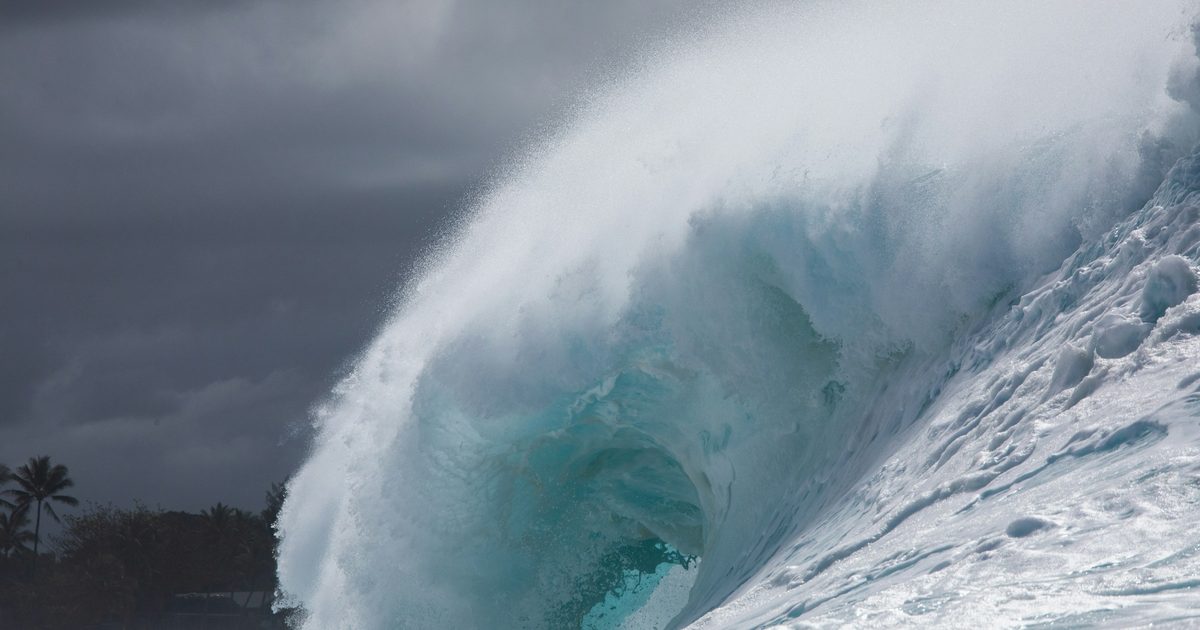
 How to Read a Surf Buoy ReportRead wave height, period, direction and wind together to judge the swell.
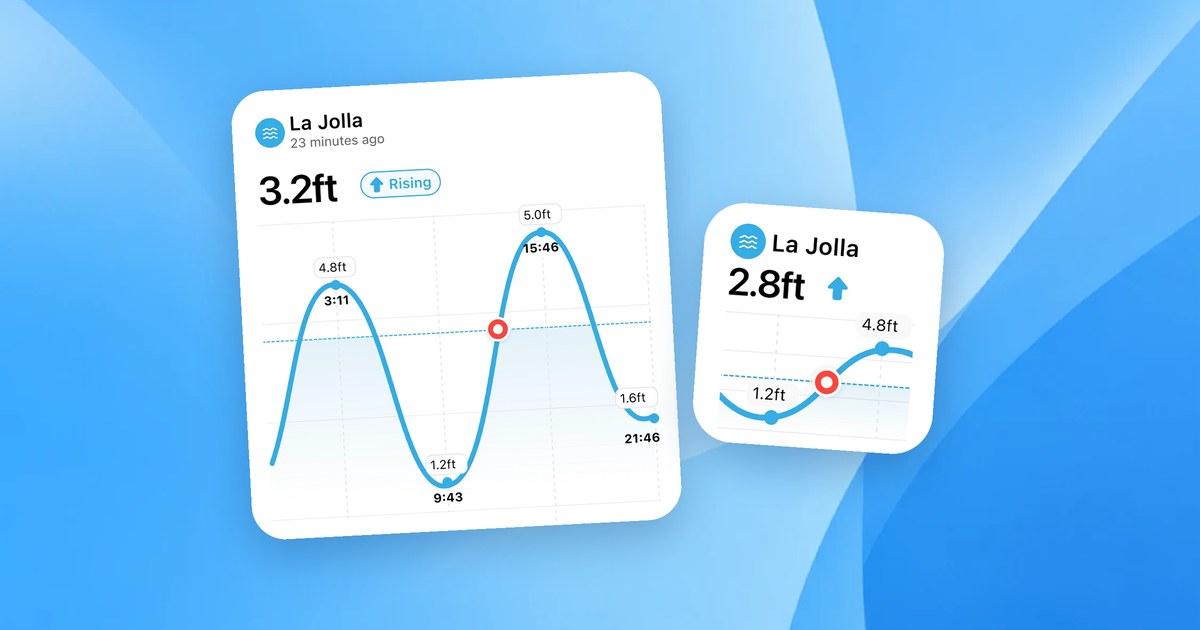 How to Read a Tide Chart for SurfingUse high and low times, heights and the curve to pick the right tide stage.
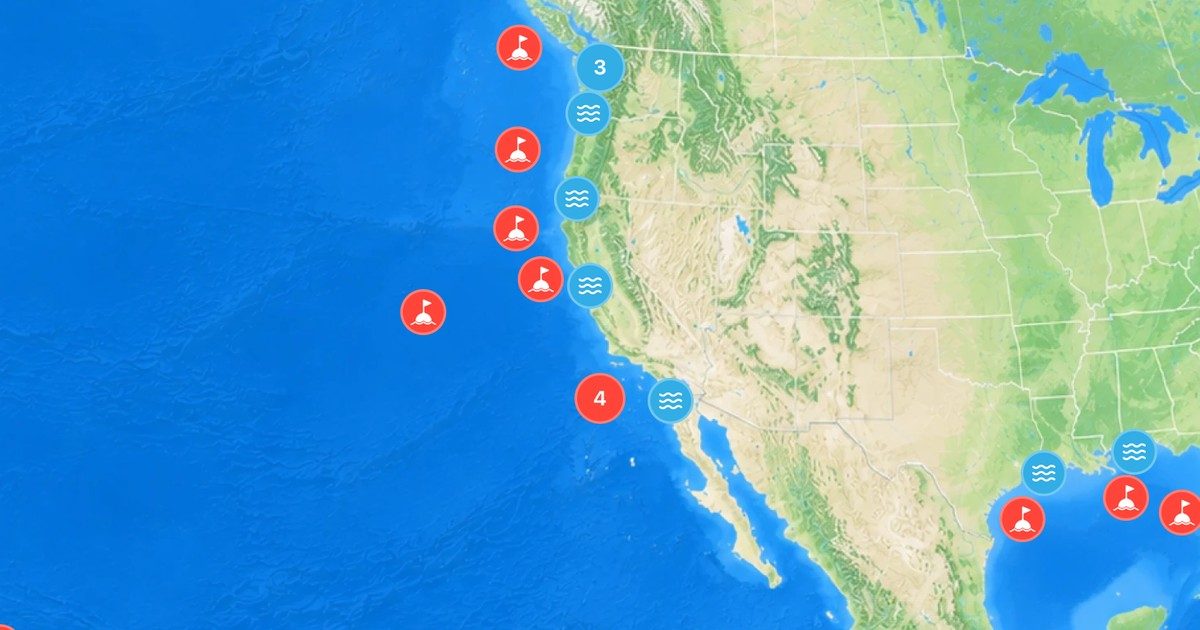 How to Find the Right Buoy for Your Surf SpotUse one offshore buoy to see swell coming and one nearshore buoy for what arrives.
 A Pre-Session Surf Check: Buoys, Tide and Wind in Five MinutesA five-minute routine: buoys, trend, tide and wind before you paddle out.
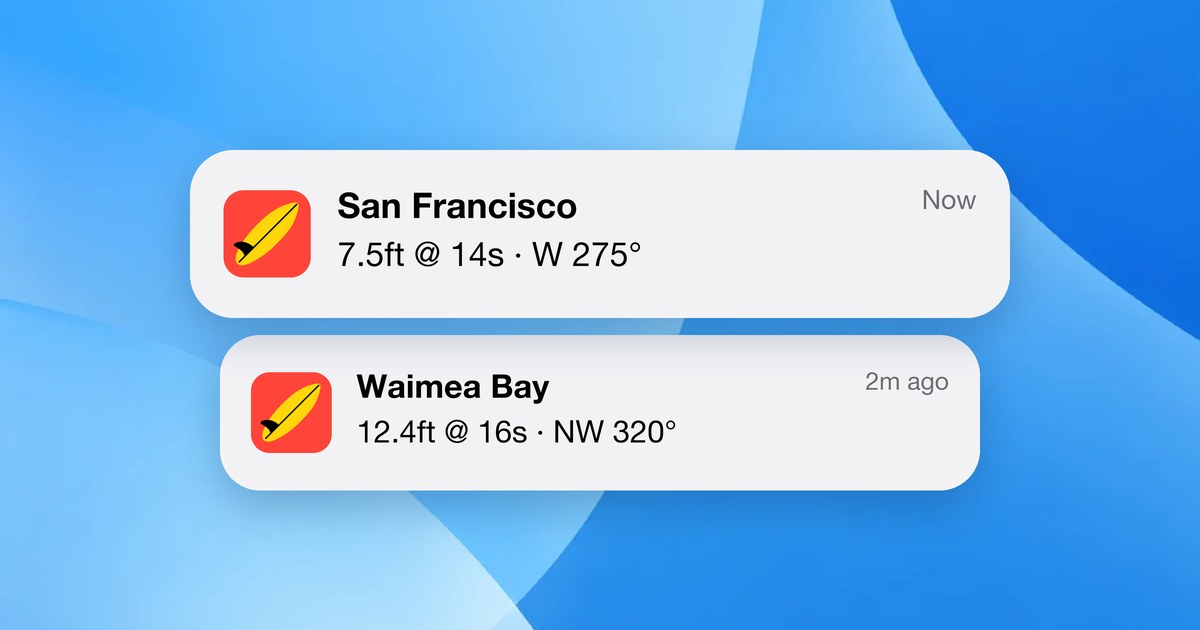 How to Use Swell Alarms So You Never Miss a SwellPick the right buoy and threshold so the alarm fires when it matters.
Articles
What buoy and tide measurements mean, and why they matter for surf.
 Wave Period Explained: Why Seconds Matter for SurfWhy a 14-second swell surfs very differently from a 7-second one.
 Significant Wave Height vs Maximum Wave HeightWhy the buoy says 1.5 m but the biggest sets look bigger.
 Spring Tides and Neap Tides for SurfersWhy the tide range grows and shrinks every two weeks, from Honolulu to San Francisco.
 Swell Direction vs Wind Direction: What the Degrees MeanBoth are measured from where they come from. Here is how to read them together.
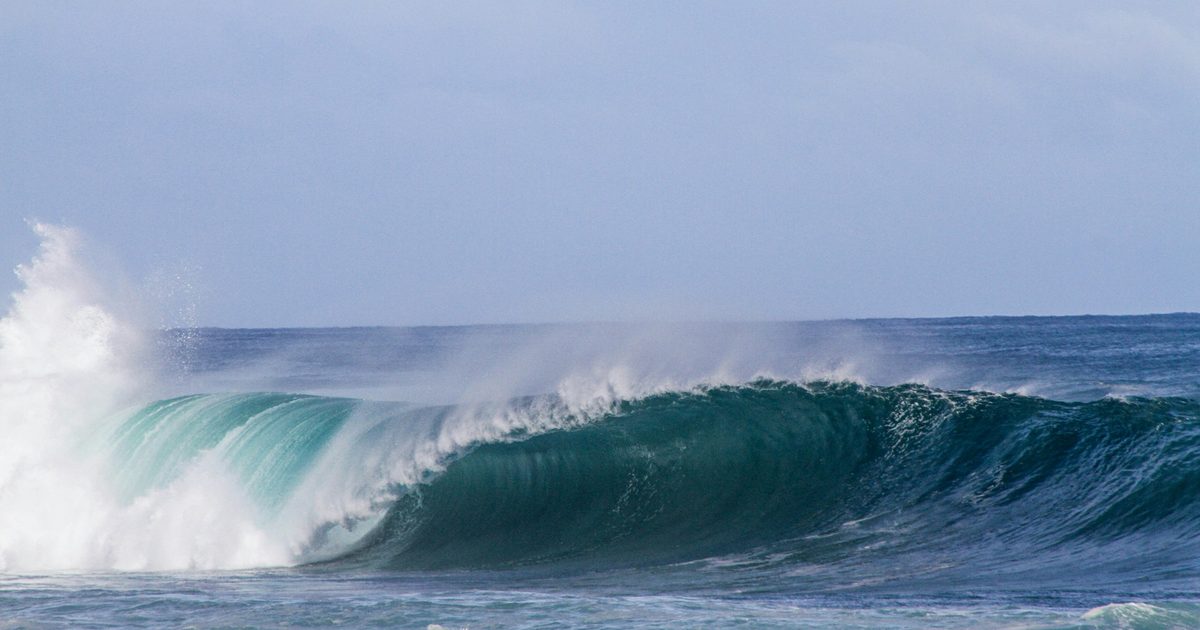 Groundswell vs Windswell: How to Tell Them Apart on a BuoyPeriod tells you which is which, and why groundswell surfs better.
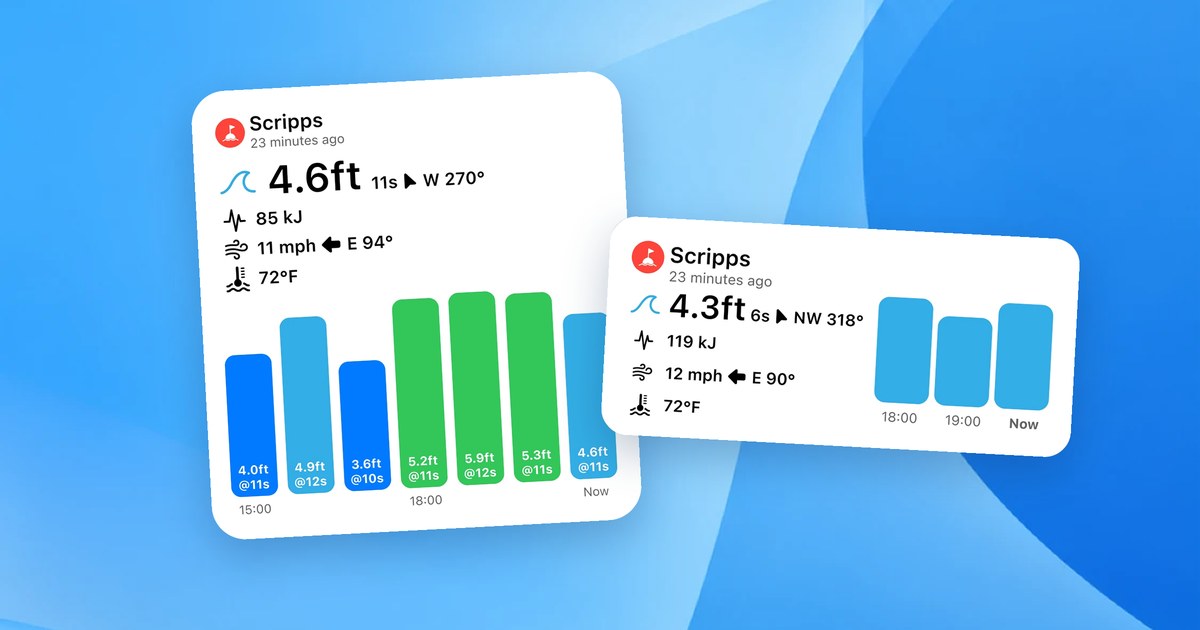 Buoy Data vs Surf Forecasts: Observed vs PredictedBuoys measure what is happening; forecasts model what might happen. Use both.
 How Do Buoys Measure Waves?Buoys record their own motion and turn it into wave statistics.
 What Is MLLW? Tide Heights ExplainedWhy US tide heights are measured from MLLW, and what a minus tide is.
Places
Buoys and tides for specific coasts.