 Buoywatch

Where the swell comes from
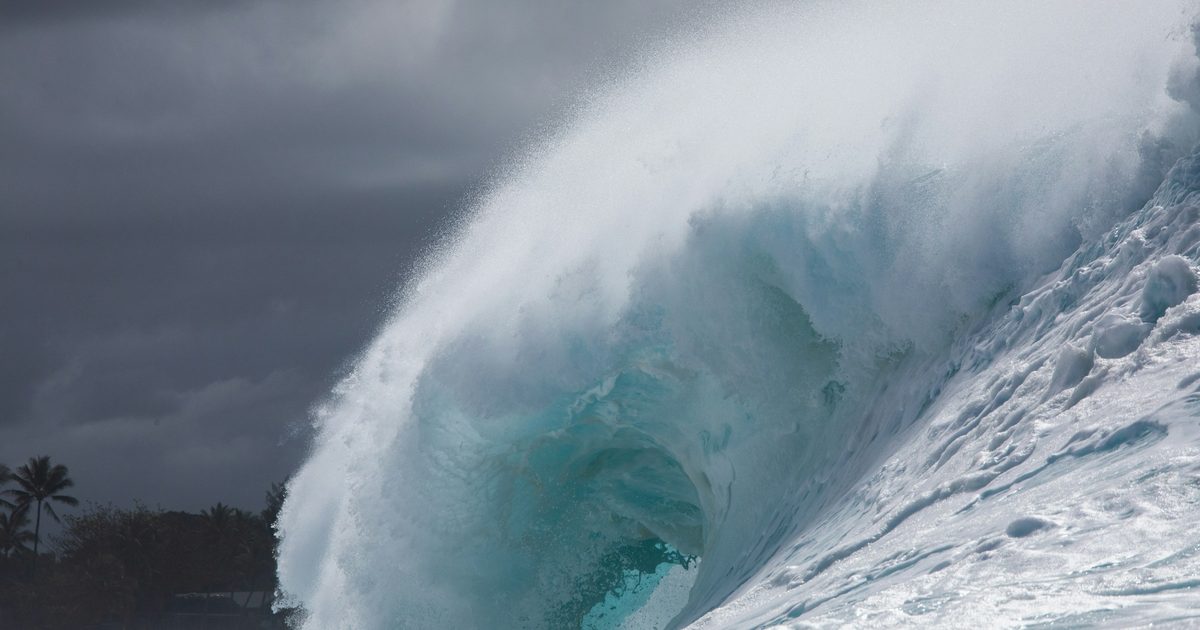
Oahu’s North Shore faces the North Pacific. In winter, storms off Japan, the Aleutians and the Gulf of Alaska send long-period swell south to Hawaii, which is why the North Shore is famous for big winter surf. In summer the north side usually goes flat and the south shore picks up swell from Southern Hemisphere storms.
The buoys to watch
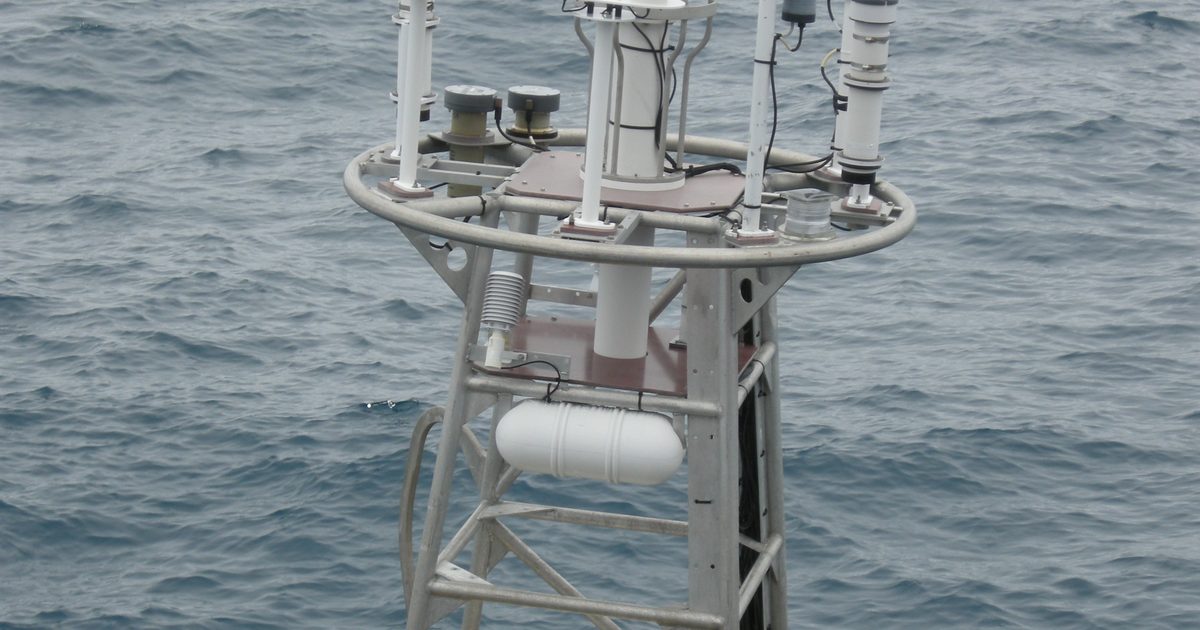
| Buoy | Where | Use it for |
|---|---|---|
| Northwestern Hawaii One (51001) | 188 nautical miles north-west of Kauai | North-west swell before it reaches the islands |
| Northwestern Hawaii Two (51101) | 186 nautical miles north-west of Kauai | A second offshore check on the same swell |
| Waimea Bay (51201) | Off Waimea Bay, North Shore of Oahu | What is actually arriving on the North Shore |
| Hanalei (51208) | Off Hanalei, Kauai | Kauai’s north shore |
| Pauwela (51205) | Off Maui’s north shore | Maui’s north shore |
| Barbers Point (51212) | Off Oahu’s south-west corner | Summer south swell on the south shore |
A new north-west swell usually shows up first on the offshore buoys as a jump in wave period, then hours later on the Waimea Bay buoy. Watching both tells you when it will arrive and how big it really is when it gets there.
Tides on the North Shore
Hawaii’s tides are small. At Honolulu, NOAA’s mean range between high and low is about 1.3 ft (0.39 m), compared with about 4 ft in San Francisco. Even so, on shallow reefs a foot can matter, especially on the lowest spring lows. For the North Shore, check the Haleiwa, Waialua Bay tide station. See Spring Tides and Neap Tides for Surfers.
A simple routine
- Check the Northwestern Hawaii buoys for a new swell: height, period and direction.
- Check the Waimea Bay buoy to see what is reaching the North Shore.
- Open the Haleiwa tide station and note the next low and high.
- Look at the wind: the usual trade winds blow from the north-east, so a light-wind or Kona (south-west) wind day can mean cleaner North Shore conditions.
Find every Hawaii station in the buoys in the United States list, under Hawaii.