 Buoywatch

What period measures
Wave period is the time, in seconds, between two successive crests passing the same point. NOAA buoys report two versions: dominant period, the period of the waves carrying the most energy, and average period across all waves. Surf reports and Buoywatch show dominant period, because it describes the swell you will actually ride.
Groundswell and windswell
Waves are made by wind blowing over the sea. Strong winds blowing for a long time over a long distance build long-period swell that can travel thousands of kilometres. The US National Weather Service describes swell as having “a more regular and longer period (10 seconds or longer)”. Waves made by nearby wind are shorter, steeper and more disorganised. See How to Read a Surf Buoy Report for how this fits with height and direction.
| Dominant period | Usually means |
|---|---|
| Under 8 s | Local wind waves: choppy, weak, close together |
| 8–10 s | Mixed or short-range swell |
| 10–13 s | Groundswell from a distant storm |
| 14 s and above | Long-period groundswell: powerful, wraps into bays, sets further apart |
These ranges are general guidance; every coast responds differently.
Why longer period means more power
A long-period wave reaches deeper below the surface, so it starts to “feel” the seabed further out and carries more water and energy toward the beach. That is why the same buoy height can produce much bigger, heavier waves when the period is long. Long-period swell also bends (refracts) more around headlands and into bays, reaching spots that short-period swell misses, and sets arrive with longer lulls between them.
Reading period on a buoy
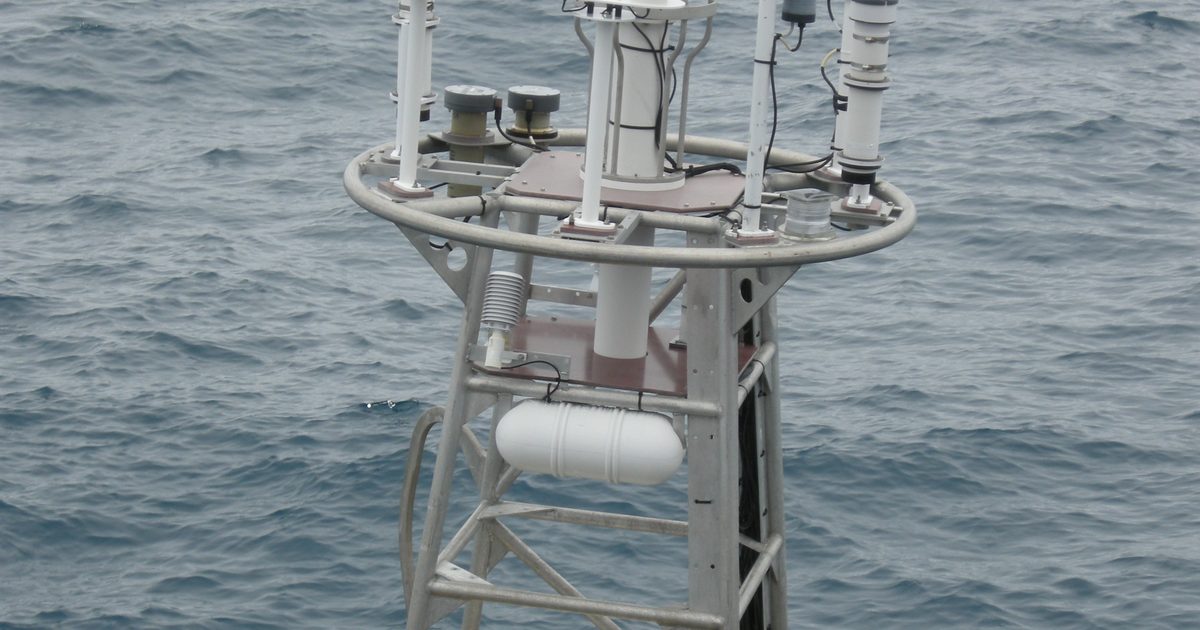
Watch the period change as a swell arrives. The first, fastest waves of a distant swell have the longest period, so a rising period on an offshore buoy is often the first sign of new swell. On a Buoywatch buoy page, the wave history shows height and period for each hour, so you can spot it building. In winter, North Pacific swells often show up first as long periods on the Waimea Bay and Pauwela, Maui buoys; in California, watch the Point Reyes and Harvest buoys.