 Buoywatch

Nothing to do with the season
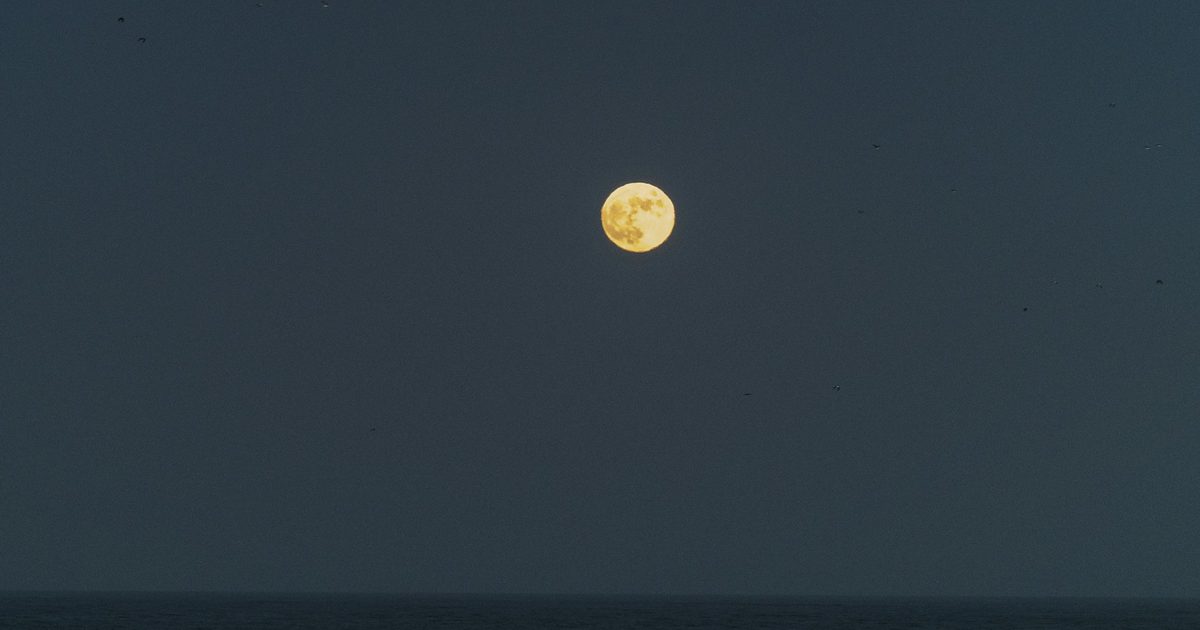
Spring tides have nothing to do with spring. NOAA explains that they happen twice each lunar month, all year round, when the Sun, the Moon and the Earth line up at new and full moon. Their pull adds together, so high tides are higher and low tides lower. About a week later, at the first and third quarter moon, the Sun and Moon pull at right angles and the range is smallest: these are neap tides.
How big is the range?
It depends a lot on the coast. NOAA’s tidal datums give the average range between high and low, and the average range between the higher high and the lower low each day:
| Tide station | Mean range | Daily range (higher high to lower low) |
|---|---|---|
| Honolulu, Oahu | 1.3 ft (0.39 m) | 1.9 ft (0.58 m) |
| La Jolla, California | 3.7 ft (1.13 m) | 5.3 ft (1.62 m) |
| San Francisco (Golden Gate) | 4.1 ft (1.25 m) | 5.8 ft (1.78 m) |
Averages from NOAA tidal datums; spring tides exceed them, neap tides fall short.
Two unequal tides a day
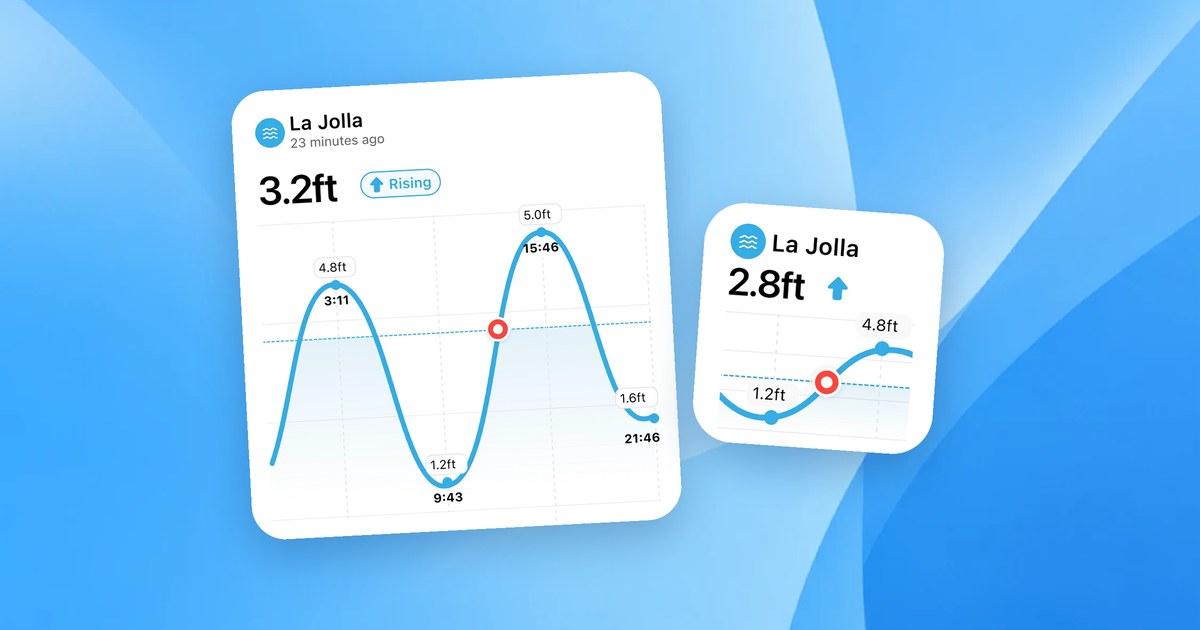
Along the US West Coast and in Hawaii, the tide is usually mixed semidiurnal: two highs and two lows a day, but of different heights. One low can be much lower than the other, so check which low your session falls on, not just the time.
King tides
The biggest spring tides of the year, often called king tides, happen when a new or full moon coincides with the Moon’s closest approach to Earth. NOAA notes they can bring unusually high water to the coast; for surfers they also mean unusually low lows, when reefs and sandbars are at their shallowest.
What it means in the water
- On spring tides the water moves faster mid-tide, so the window at your favourite stage is shorter.
- Very low spring lows can make reefs dangerously shallow and close out beach breaks.
- On neap tides the tide changes gently, so a good stage lasts longer.
Each Buoywatch tide page shows the next highs and lows and today’s curve. Read the basics in How to Read a Tide Chart for Surfing.