 Buoywatch


1. Check the offshore buoy
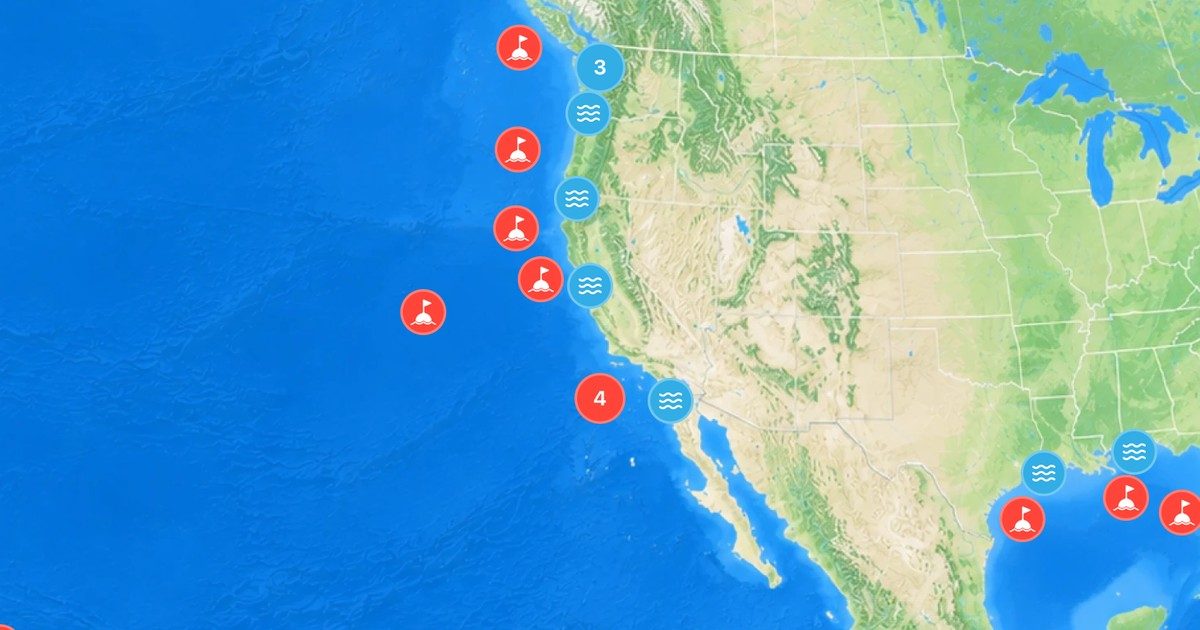
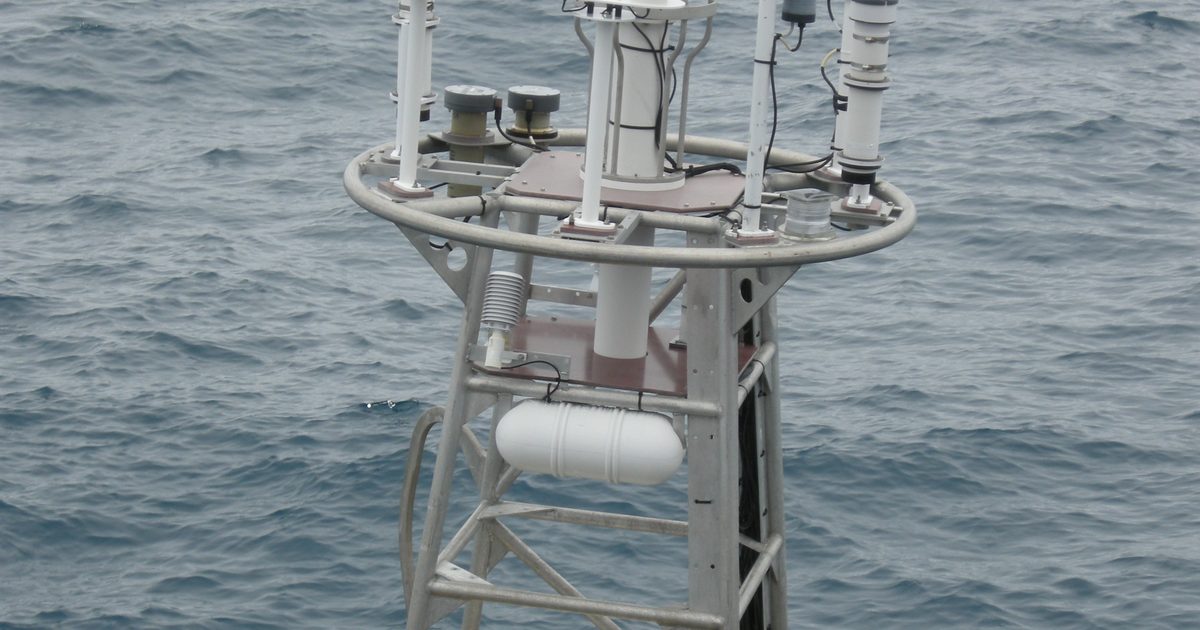
Start with a buoy well out to sea in your swell window. Look at the three core numbers together: significant wave height, period and direction. A jump in period is often the first sign of a new swell.
2. Check the nearshore buoy
Then open the buoy closest to your break. This is what is actually arriving after islands, headlands and the sea floor have had their say. If you are not sure which buoys to use, see How to Find the Right Buoy for Your Surf Spot.
3. Read the trend, not one number
One reading is a snapshot. The bar chart on a Buoywatch buoy card shows the last several hours, so you can see whether the swell is building, holding or fading. A rising trend in the morning can mean better waves in the afternoon.
4. Check the tide
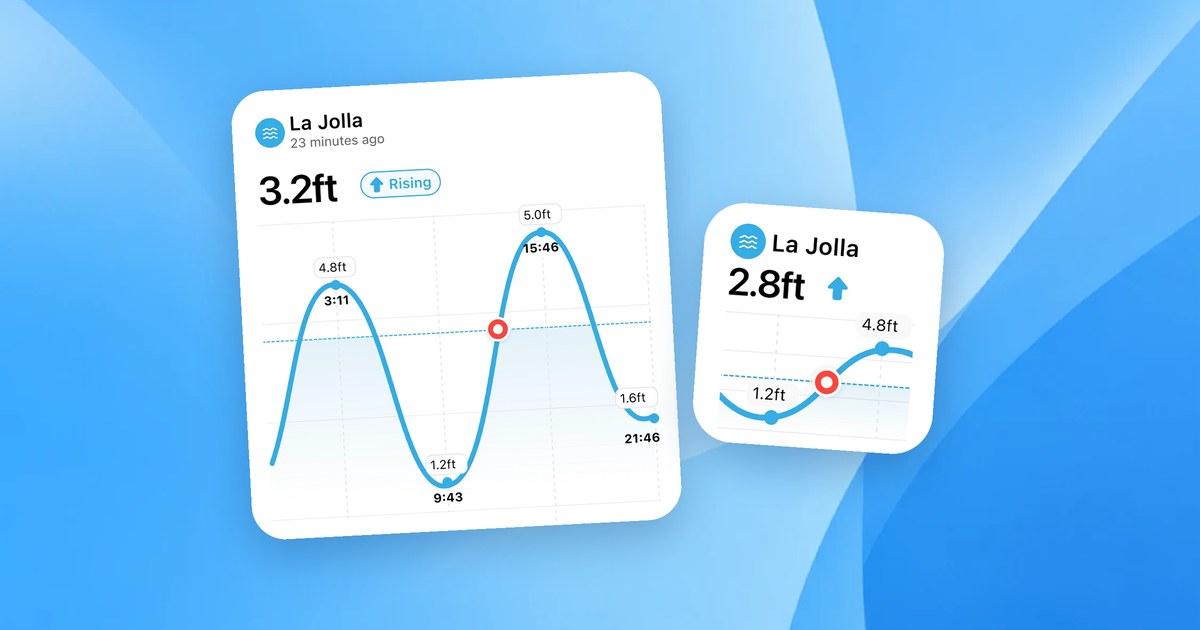
Open the tide station nearest your break and note the next high and low. Many reefs and sandbars work best on a particular stage of the tide; some close out at low tide or go soft at high. The tide chart shows whether the water is rising or falling now. See How to Read a Tide Chart for Surfing.
5. Check the wind
Wind shapes the surface of the waves. Wind blowing from the land toward the sea (offshore) tends to hold waves up and keep them clean; onshore wind makes them choppy. Wind direction on a buoy is where the wind comes from. See Swell Direction vs Wind Direction.
Make it automatic
Set your main buoy and tide station. With Buoywatch PRO you can also save favorites and add a widget to your Home Screen. A swell alarm can tell you when the waves reach the size you want, so you only check in when it is worth it.